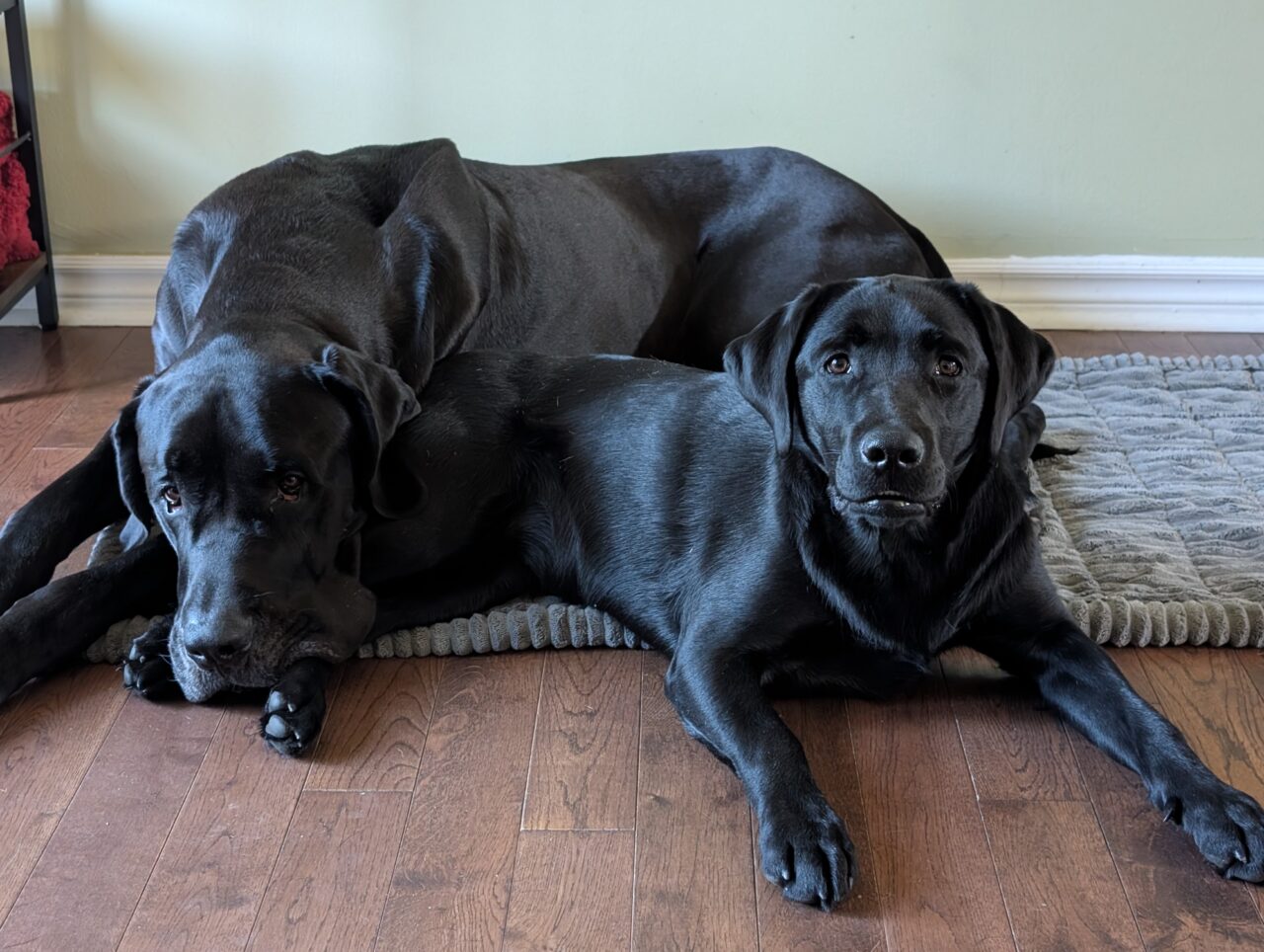
Protective Factors for Veterans and First Responders | Fire Team K9
For veterans and first responders, connection often develops through shared experiences. Working alongside people who understand the demands of service can create relationships built on trust, familiarity, and mutual responsibility.
But meaningful connection matters outside operational environments too.
Social support is one of the most consistently supported protective factors in occupational mental health research. A systematic review of 66 prospective studies involving civilian emergency services personnel identified interpersonal factors among the important predictors of psychological outcomes (Wild et al., 2021).
Social support can take several forms. Emotional support provides someone who listens and understands. Practical support offers assistance when responsibilities become difficult to manage. Social companionship creates opportunities for shared activities, enjoyment, and participation in everyday life.
For people exposed to occupational trauma, these relationships can provide resources that extend beyond the workplace.
Where Dogs Can Participate
Dogs can create opportunities for connection that might otherwise be difficult to initiate.
A group walk, training class, or shared activity with a facility dog gives participants something to do together. Conversation can develop naturally around the activity, without requiring anyone to discuss personal experiences before they are comfortable doing so.
Psychiatric service dogs may also influence social experiences. In a 2024 nonrandomized controlled trial involving 156 military members and veterans diagnosed with PTSD, participants partnered with service dogs reported less social isolation and greater companionship after three months compared with participants awaiting a dog (Leighton et al., 2024).
These findings are encouraging, although they do not establish that service dogs prevent PTSD or that facility dog programs produce the same outcomes.
Putting the Protective Factor Into Practice
Consider creating opportunities for regular, low-pressure connection. This might involve attending a dog-friendly community event, joining a walking group, participating in a training activity, or spending time with people who share an interest.
For facility dog programs, repeated group activities can provide a structure for building familiarity and relationships over time.
The goal is to create opportunities for meaningful human connection, with the dog helping make participation approachable.
A question to consider: Who are the people you can rely on , and where do you have opportunities to build new connections?
References
Wild, J., et al. (2021). Prospective risk and protective factors for psychopathology and wellbeing in civilian emergency services personnel: A systematic review. Journal of Affective Disorders. https://pubmed.ncbi.nlm.nih.gov/33388463/
Leighton, S. C., et al. (2024). Service dogs for veterans and military members with posttraumatic stress disorder: A nonrandomized controlled trial. JAMA Network Open, 7(6), e2414686. https://doi.org/10.1001/jamanetworkopen.2024.14686
